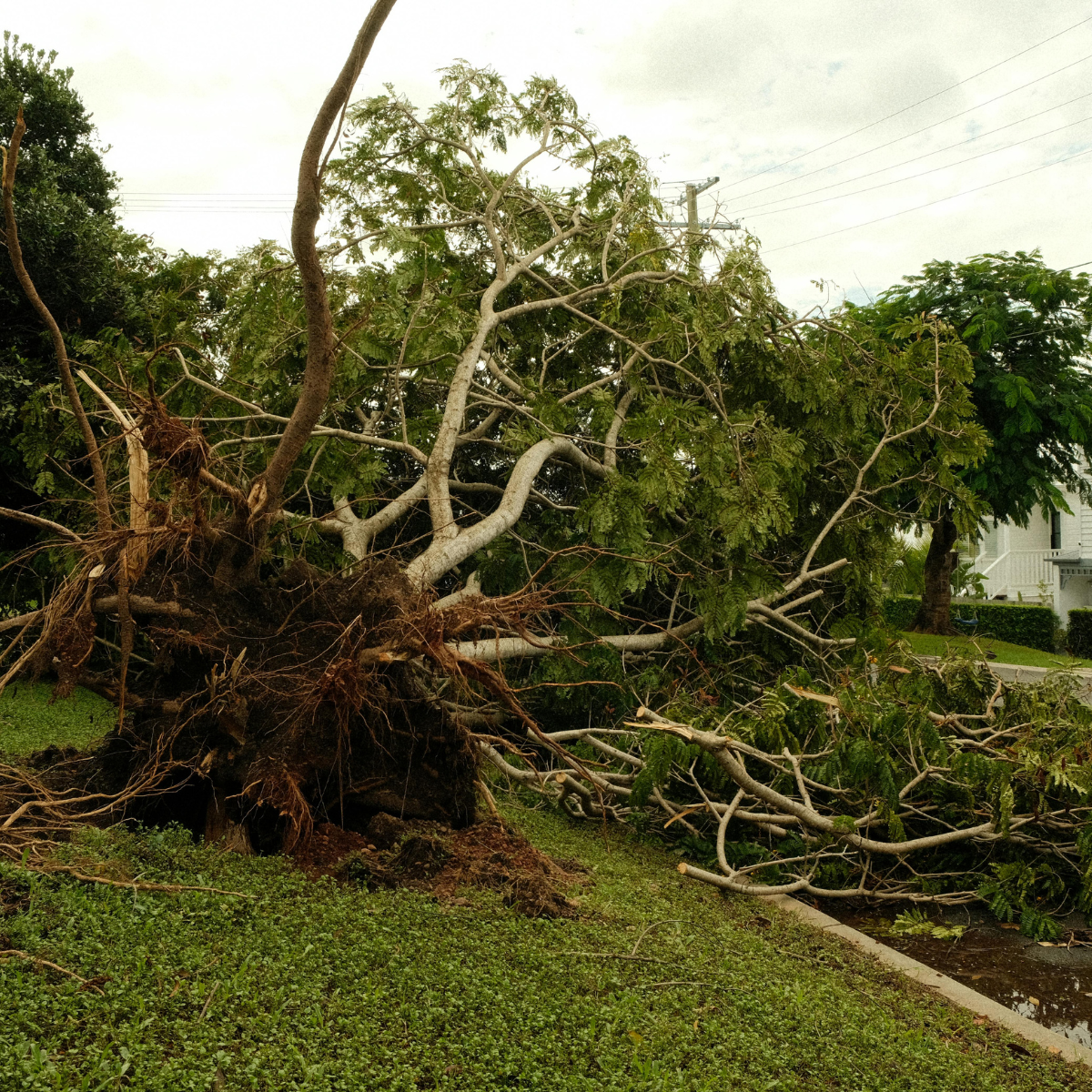
Severe weather can strike with little warning, leaving homeowners, businesses, municipalities, and contractors facing the overwhelming task of cleaning up fallen trees, damaged building materials, and other storm debris. Whether it's a powerful thunderstorm, tornado, flooding event, or winter storm, having a plan for proper debris disposal can make recovery safer, faster, and more efficient.
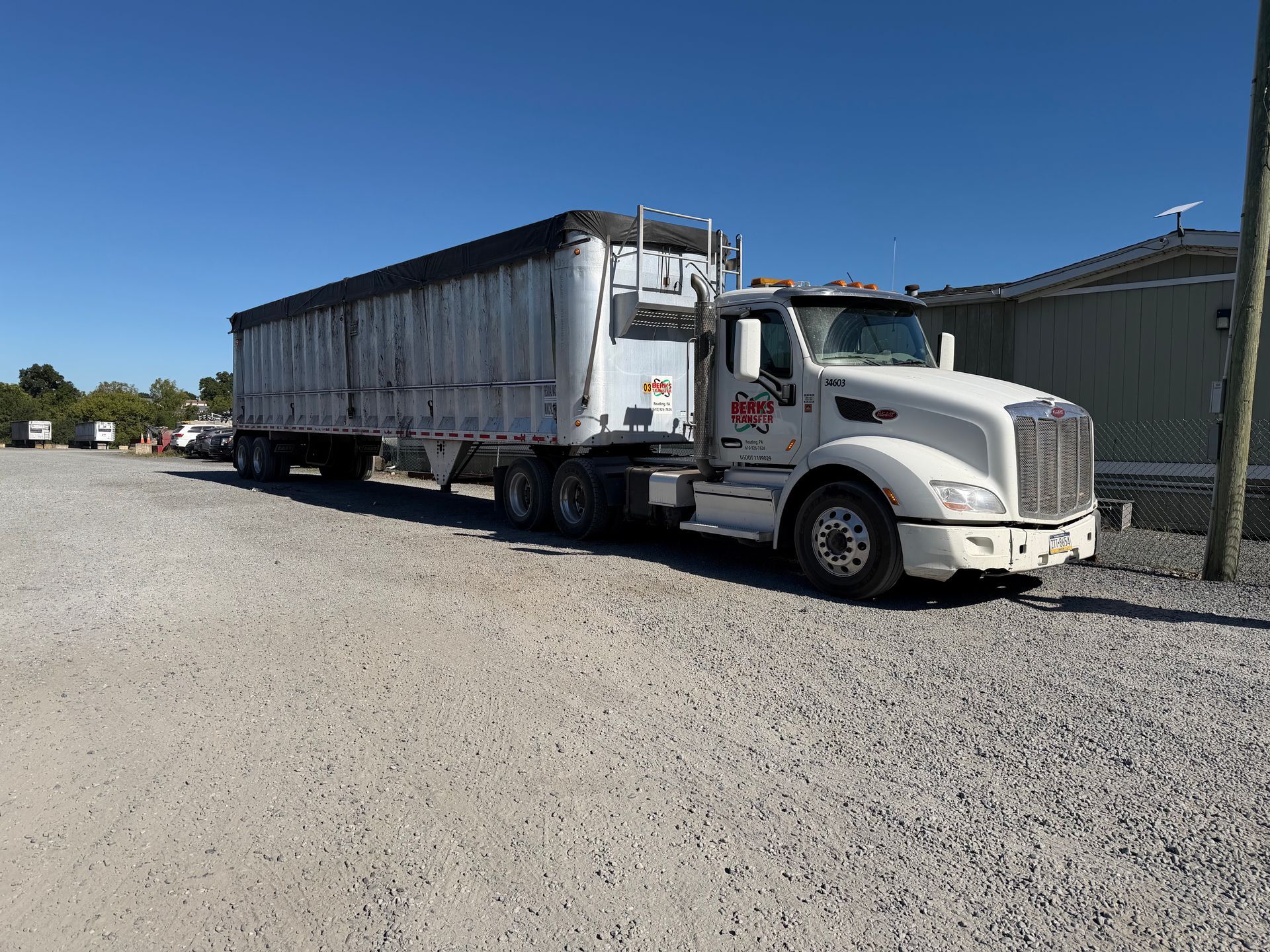
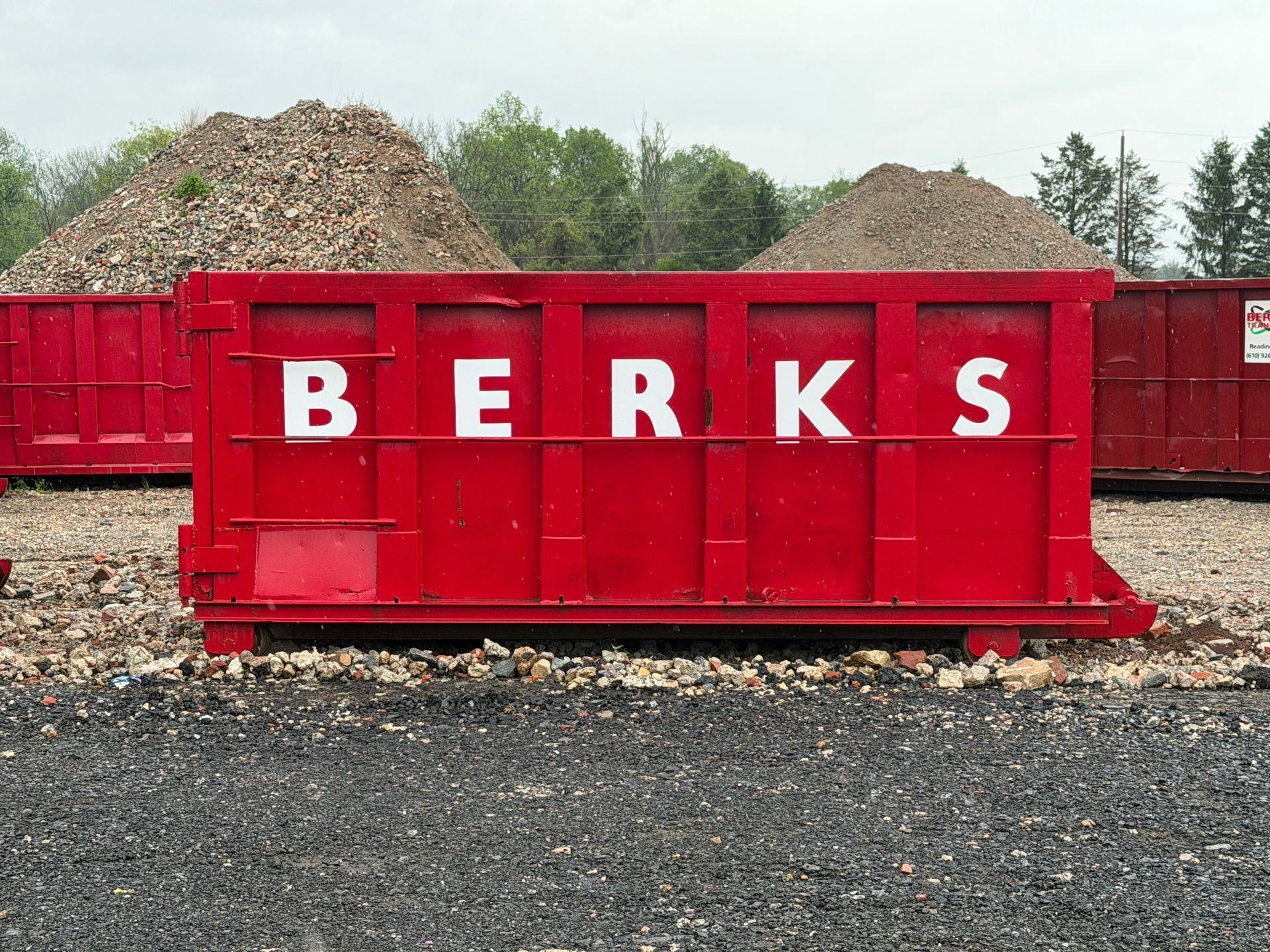
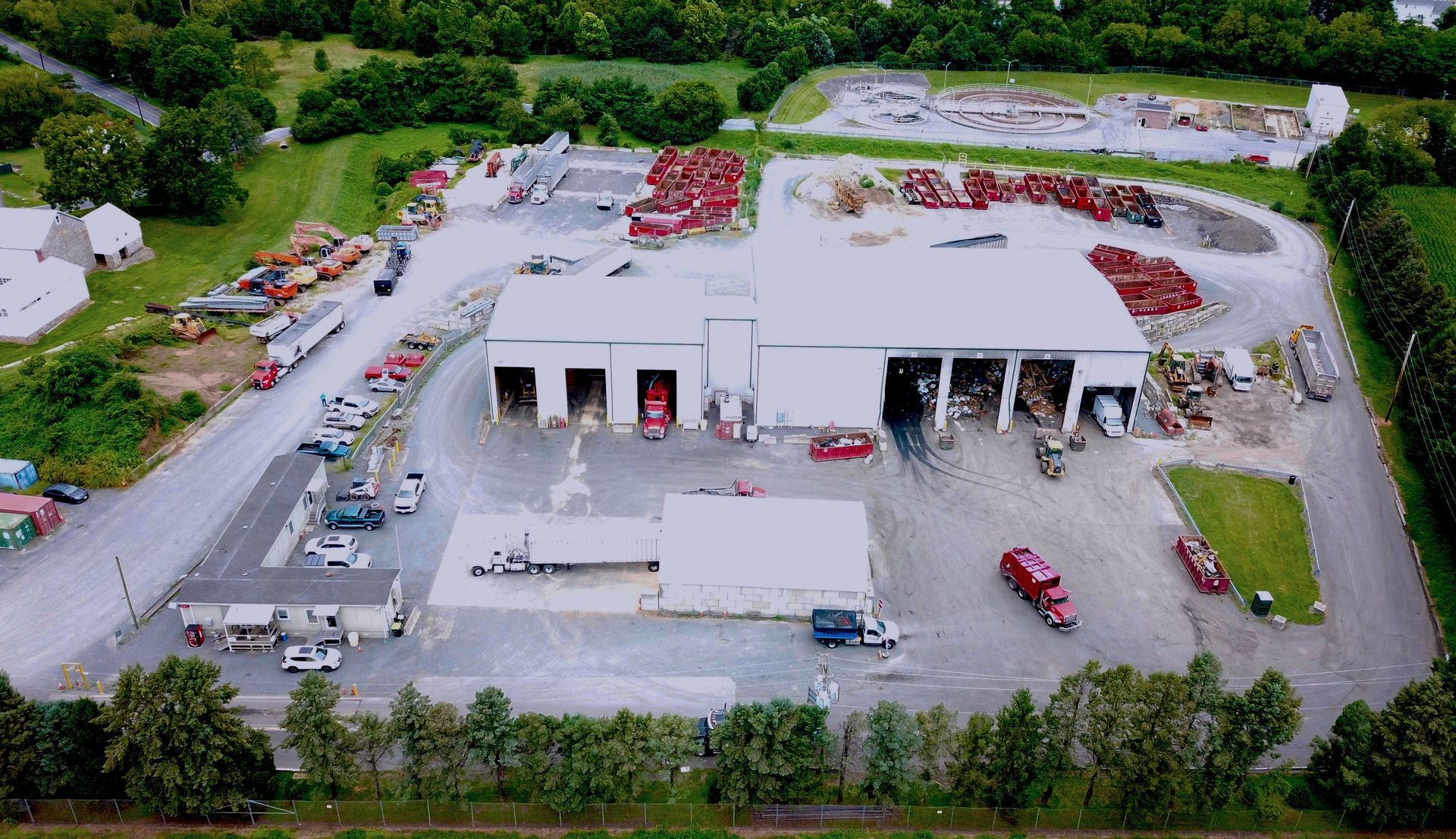
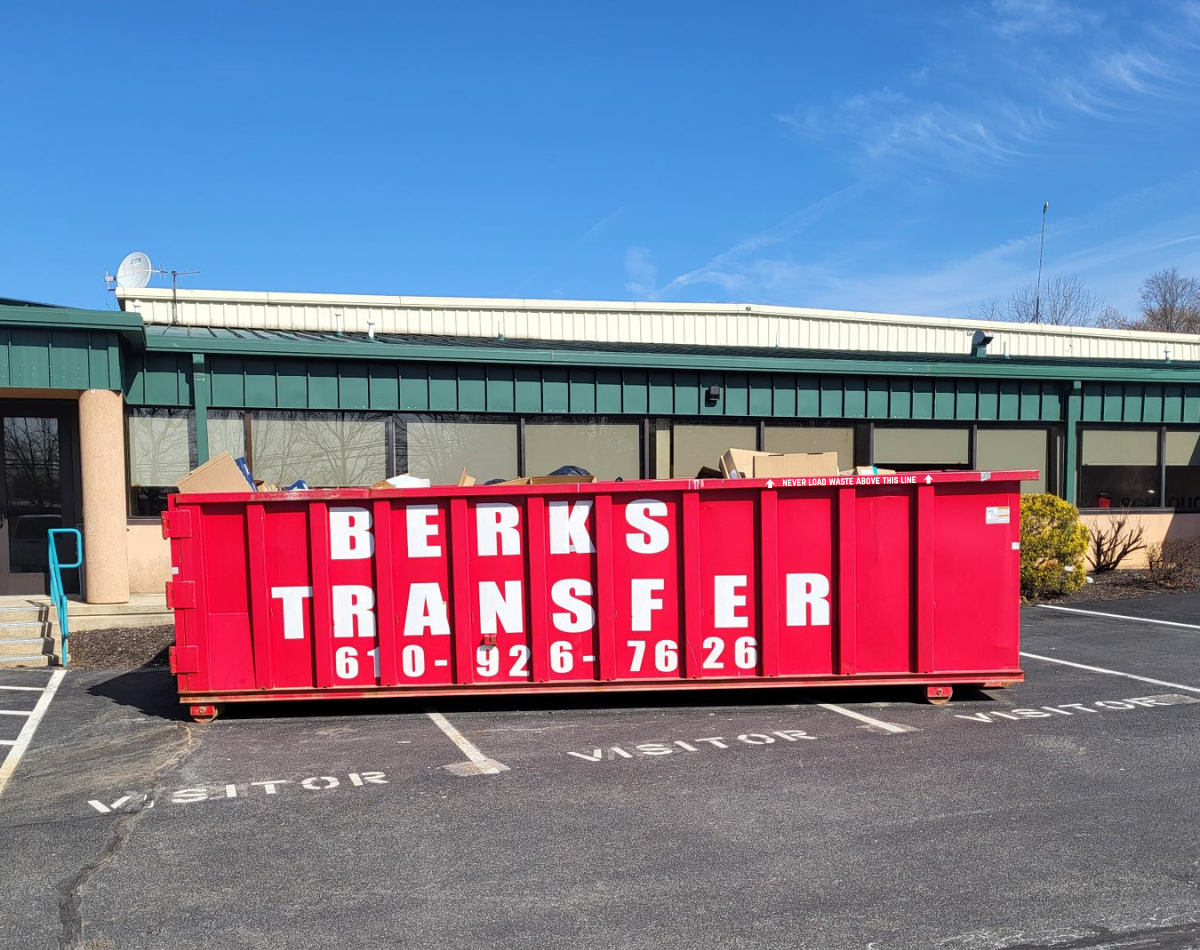
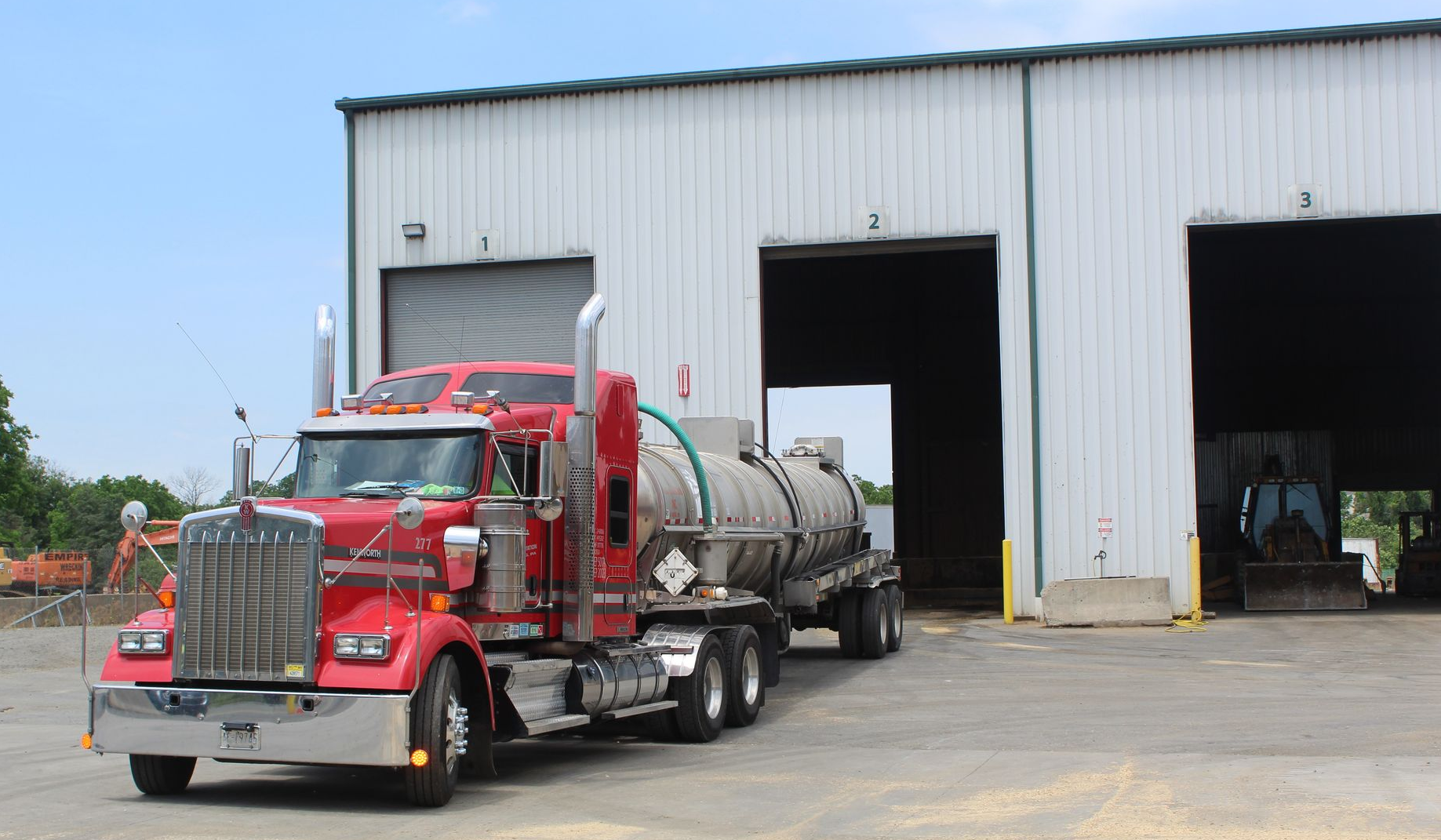
At Berks Transfer, we understand that storm cleanup is about more than removing waste—it's about helping communities recover. As a trusted waste transfer station serving Berks County and the surrounding region, we're equipped to help manage disaster debris responsibly while supporting local cleanup efforts. We offer a variety of dumpsters to match the clean up needed.
Why Storm Cleanup Requires Proper Waste Management
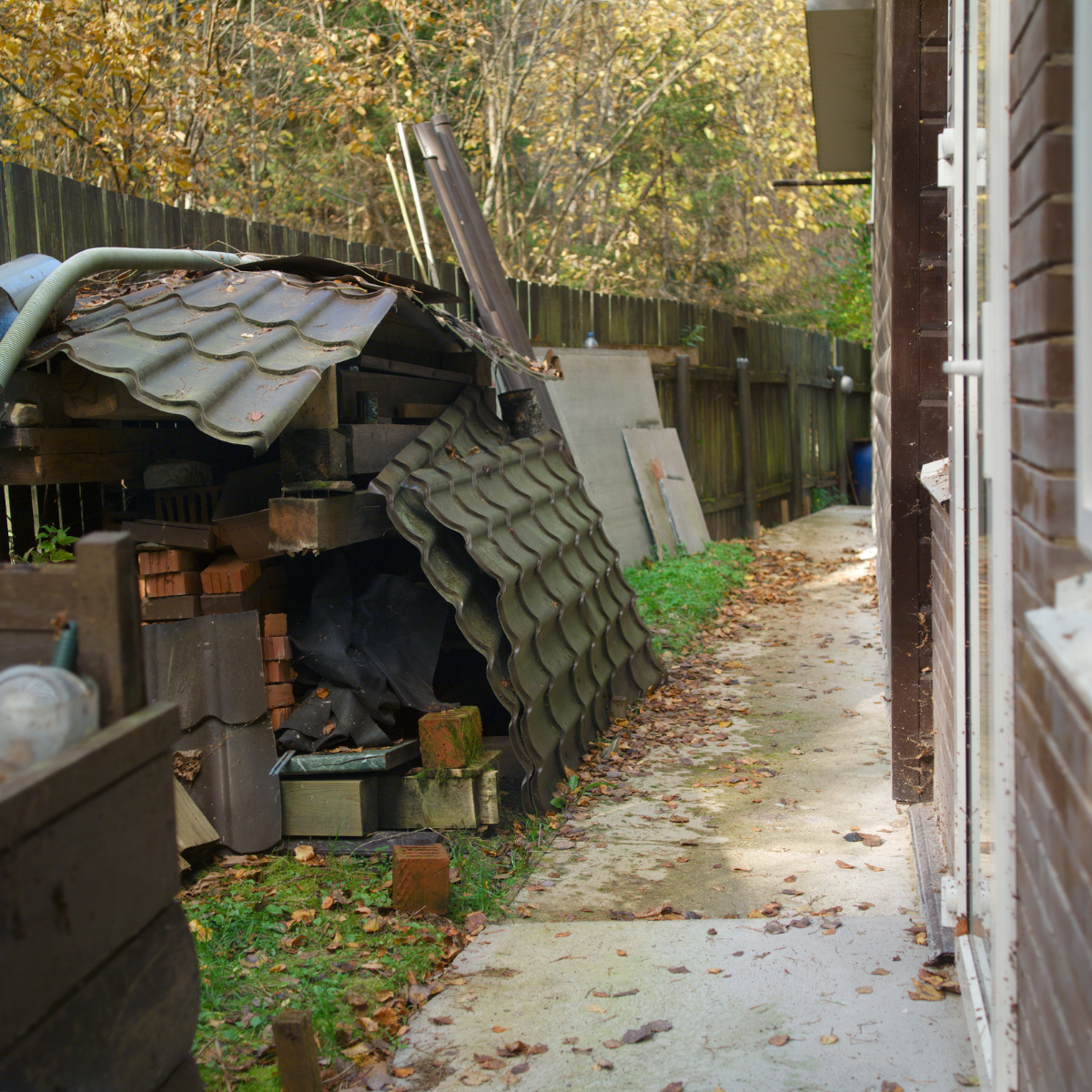
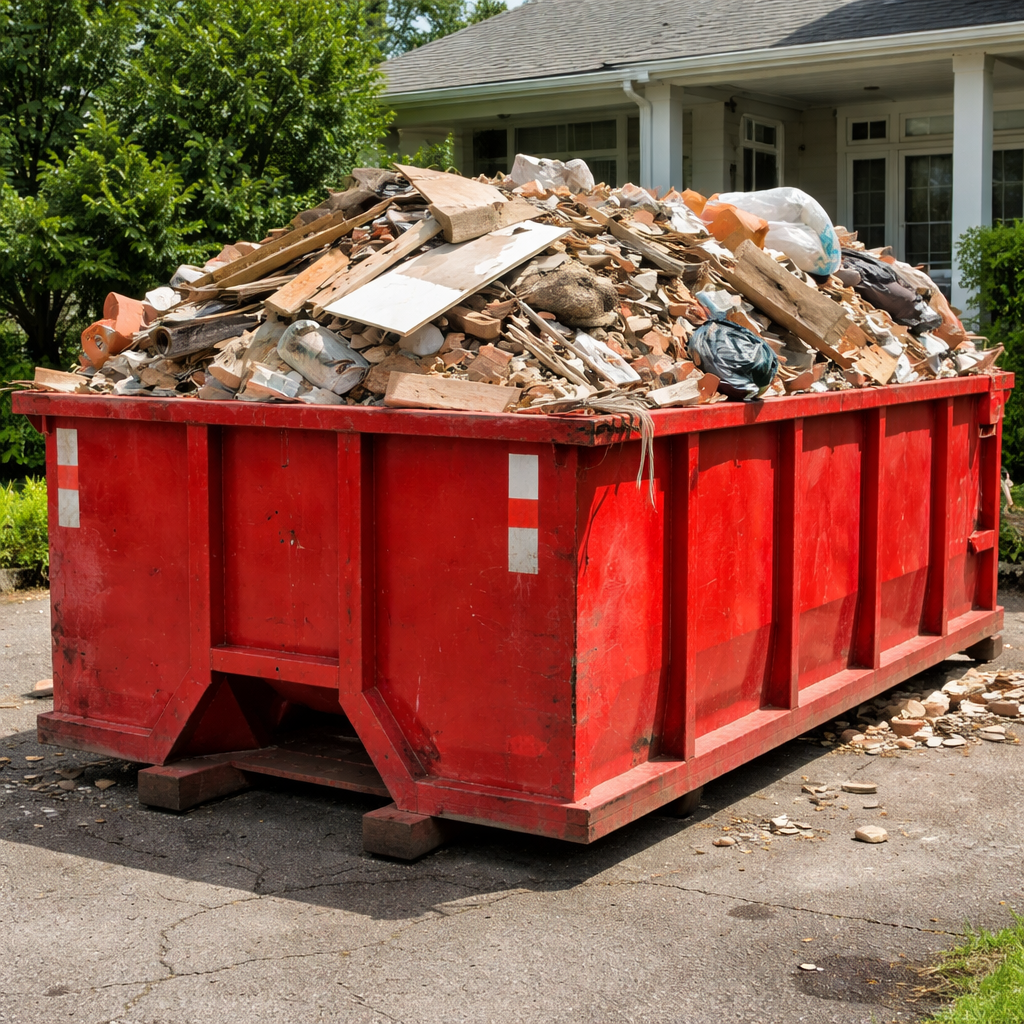
After a major storm, debris can accumulate quickly. Tree limbs block roadways, damaged roofing materials pile up, fencing collapses, and water-damaged furniture and drywall often need immediate removal. Without an organized disposal plan, cleanup efforts can become delayed, unsafe, and costly.
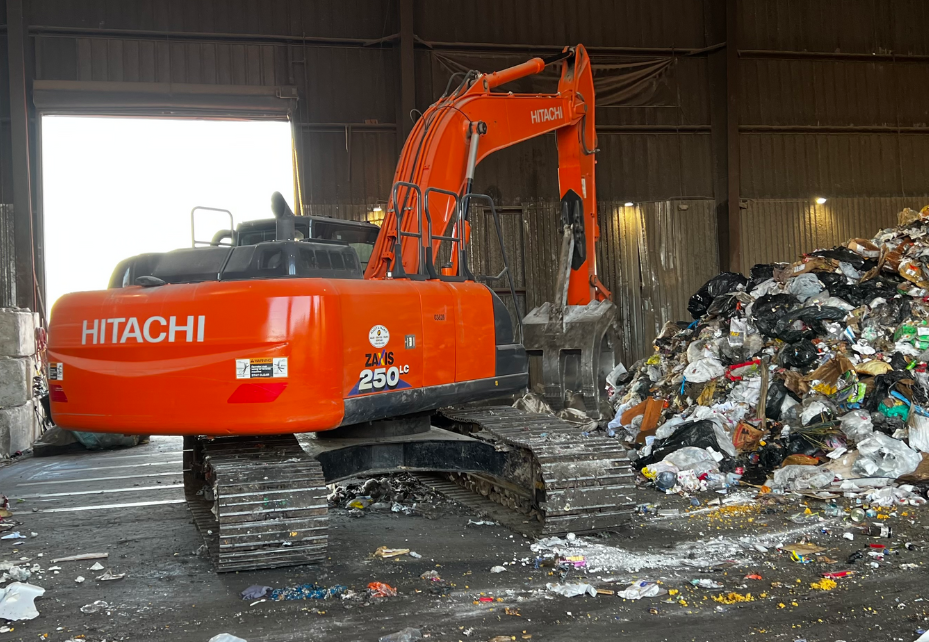
Transfer stations play a critical role by providing a centralized location where debris can be delivered, sorted, and directed to the appropriate recycling, recovery, or disposal facility. This process helps reduce unnecessary trips to landfills, improves efficiency, and supports environmentally responsible waste management.
Common Types of Storm Debris
Storm cleanup often involves a wide variety of materials, including:
- Fallen trees, branches, and brush
- Roofing shingles and roofing materials
- Lumber and fencing
- Drywall and insulation
- Damaged furniture
- Carpet and flooring
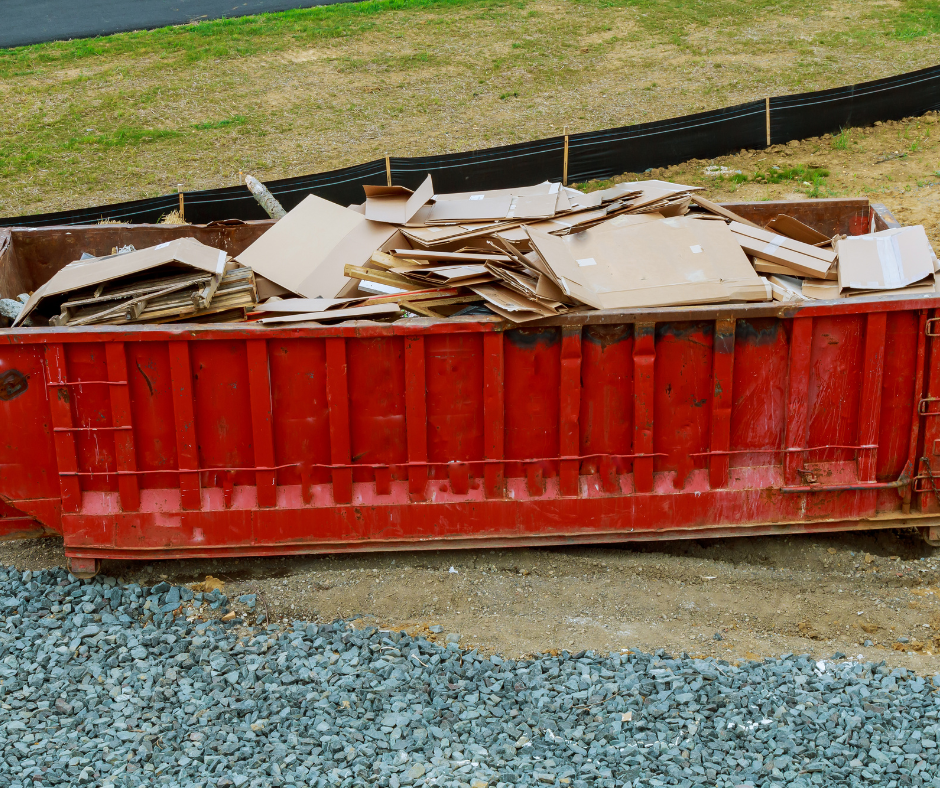
- Construction and demolition debris
- Concrete, brick, and masonry
- Household debris
- Non-hazardous waste
Each material may require different handling procedures, making it important to work with an experienced transfer station that understands proper disposal methods.
How Transfer Stations Help Communities Recover
Efficient Debris Collection
Following a severe weather event, cleanup crews, contractors, municipalities, and residents often generate large amounts of debris in a short period. A transfer station helps streamline the disposal process by providing a convenient location for quick waste unloading.
Instead of traveling long distances to multiple disposal facilities, haulers can deliver materials to one central location, reducing transportation time and getting crews back to cleanup projects sooner.
Material Sorting and Recycling
Not everything collected after a storm belongs in a landfill.
Transfer stations separate recyclable materials whenever possible, including:
- Metal
- Concrete
- Asphalt
Recovering recyclable materials helps conserve natural resources and reduces landfill usage, supporting sustainability efforts throughout the community.
Safe Disposal Practices
Storm debris can contain nails, broken glass, sharp metal, splintered lumber, and other hazards. Proper handling and disposal help protect workers, drivers, and the public.
Transfer stations can also help identify materials that require special handling due to local, state, and federal regulations.
Tips for Preparing Before Storm Season
While no one can prevent severe weather, preparation can make cleanup much easier.
Secure Outdoor Items
Patio furniture, grills, trash containers, and yard equipment should be secured before storms arrive to reduce damage and debris.
Trim Trees Regularly
Removing dead or damaged branches can significantly reduce storm debris after high winds.
Have a Cleanup Plan
Know where you'll take debris before severe weather strikes. Identifying a trusted transfer station saves valuable time during recovery. Berks Transfer is open six days a week to help with your disposal needs.
Use the Right Containers
Contractors and property managers handling large cleanup projects should consider arranging waste containers before major storm events whenever possible.
Supporting a Stronger Community
Storms may leave behind damaged property, but communities recover faster when everyone works together. Proper debris management helps restore neighborhoods, keeps roads clear, protects the environment, and supports rebuilding efforts.
By choosing a trusted transfer station, you're not only simplifying cleanup—you’re contributing to a cleaner, safer, and more sustainable community.
Contact Berks Transfer
When severe weather strikes, Berks Transfer is here to help. Whether you're a homeowner tackling storm cleanup or a contractor managing a large-scale recovery project, our team is ready to provide dependable waste transfer services that help get your cleanup back on track.
Contact Berks Transfer today to learn more about our transfer station services and how we can support your next cleanup project.