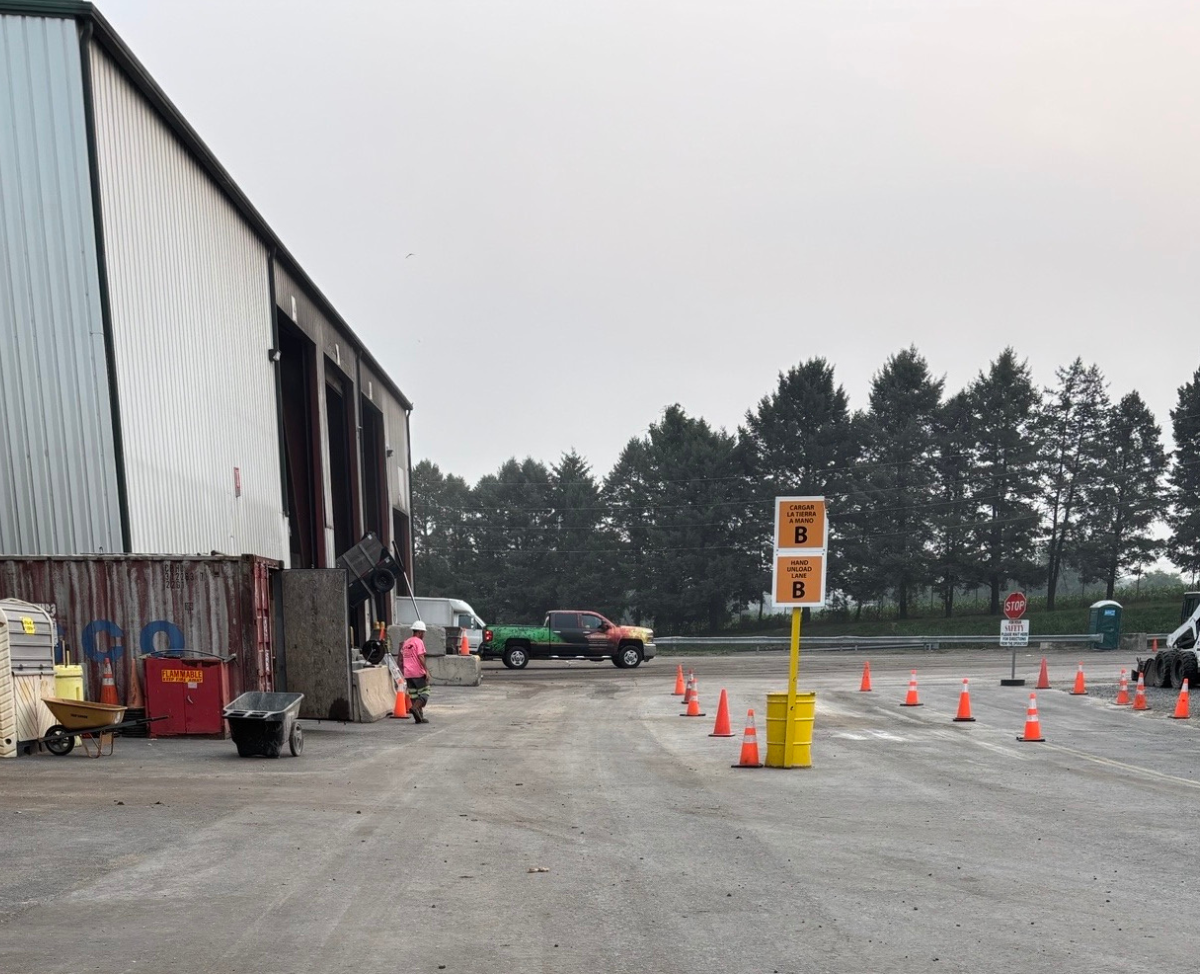
When most people hear “waste transfer station,” they probably picture a place where garbage is dumped and forgotten.
That’s not how a modern waste transfer station works.
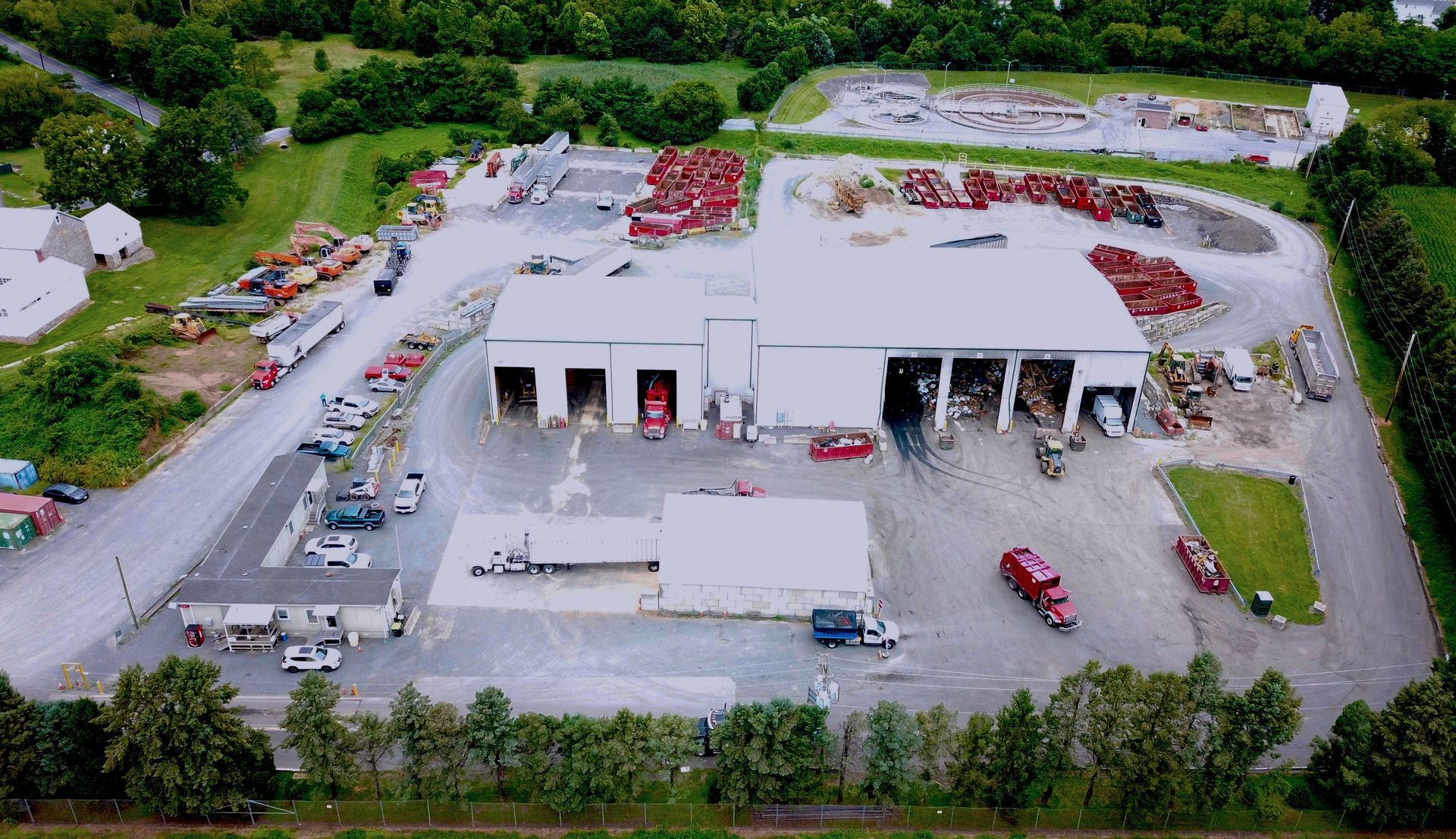
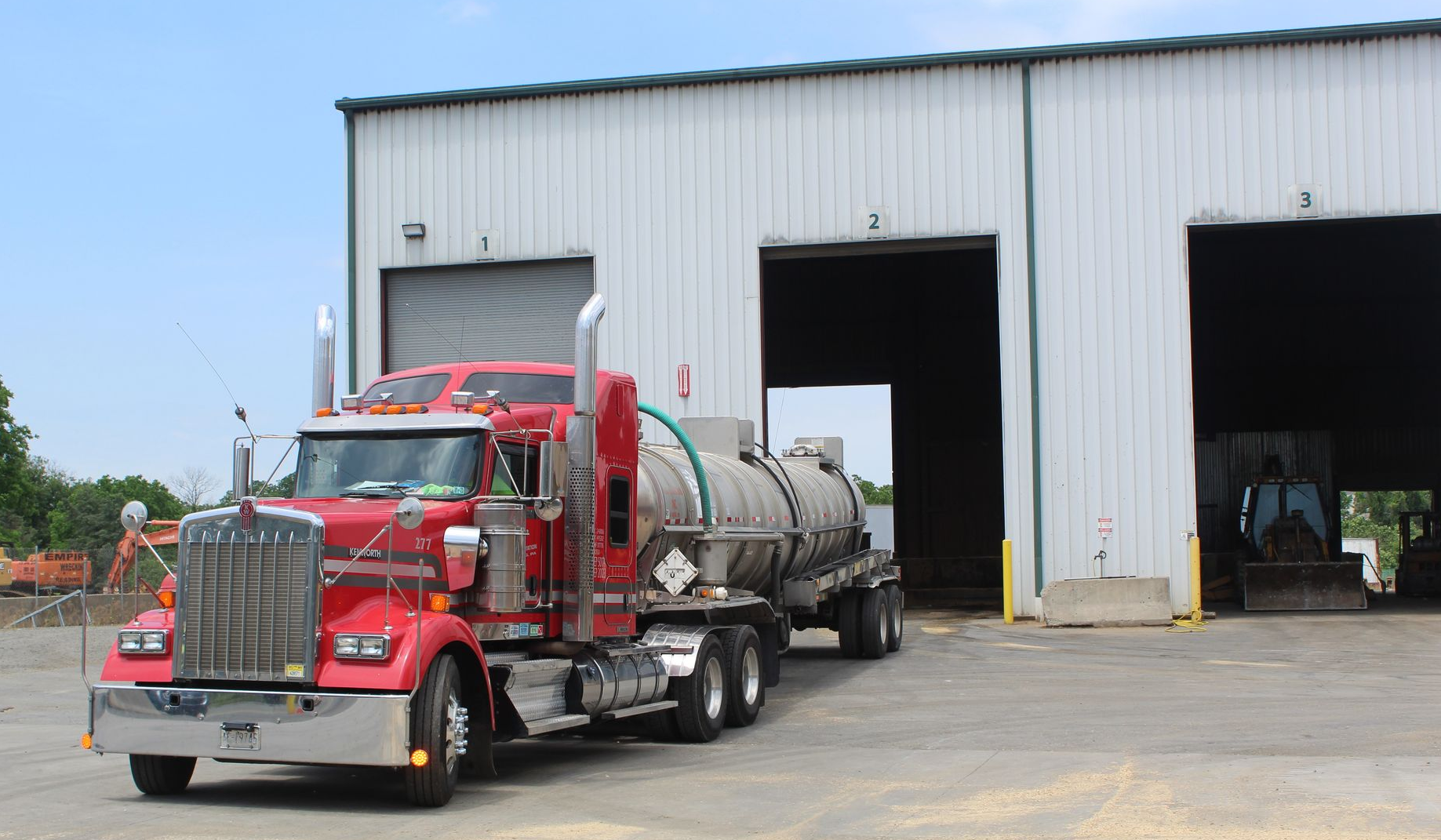
A transfer station is an important part of the waste-management process. It is a central location where waste is received, consolidated, and transported to the appropriate disposal or recycling facility.
For homeowners, contractors, businesses, and waste haulers in Reading and throughout Berks County, understanding what happens at a transfer station can make waste removal much easier.
Here are seven common misconceptions about waste transfer stations.
1. Everything Goes Straight to a Landfill
Not necessarily.
A waste transfer station is not the same thing as a landfill. Instead, it serves as a central point where waste is collected and consolidated before being transported to its next destination.
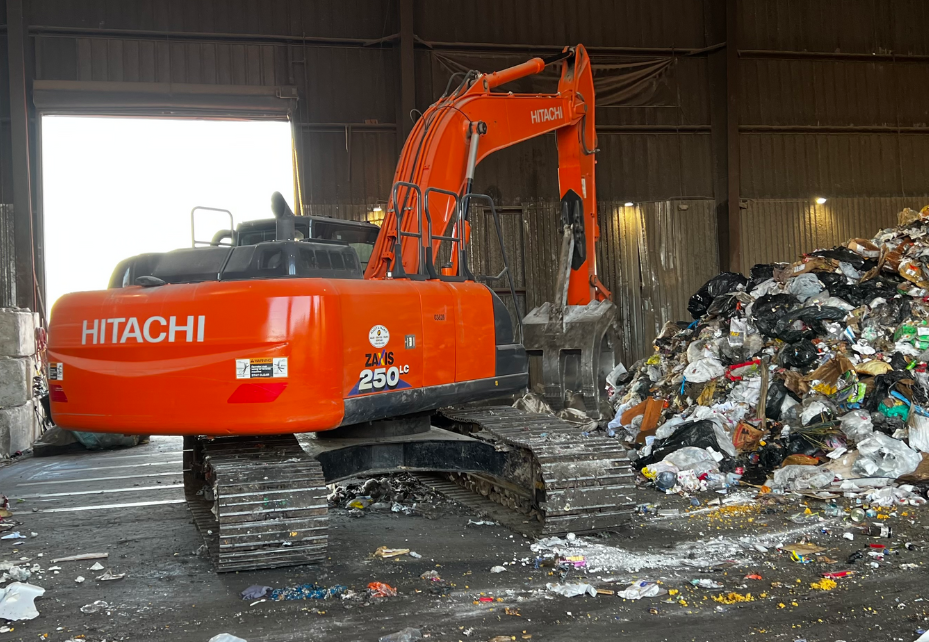
At Berks Transfer, accepted materials include municipal solid waste, construction and demolition debris, and other approved non-hazardous waste streams. Depending on the material, waste may be transported to an appropriate disposal or recycling facility.
The important takeaway: a transfer station is one step in the waste-management process, not necessarily the destination for waste.
2. Transfer Stations Are Only for Garbage Trucks
You don't need to operate a garbage truck to use a waste transfer station. Berks Transfer offers do-it-yourself disposal for customers who want to bring eligible non-hazardous waste directly to the facility.
That can be useful for homeowners cleaning out a property, contractors removing construction debris, or businesses handling a cleanup project. Depending on the type and quantity of waste, customers may use a pickup truck, trailer, SUV, or other suitable vehicle.
Before making a trip, it's always a good idea to confirm that your material is accepted at the transfer station. At Berks Transfer, we are happy to answer questions to make it easy to get in and get out of our facility.
3. A Transfer Station Is the Same as a Landfill
False. A transfer station and a landfill perform different jobs.
A landfill is the last stop for waste. A transfer station is primarily a collection and consolidation point. Waste is brought to the station and then transferred into larger loads for transportation to an appropriate facility.
This system can make waste transportation more efficient by reducing the number of long-distance trips smaller collection vehicles need to make. In simple terms, a transfer station helps move waste efficiently from where it is collected to where it will ultimately be processed or disposed of.
4. Transfer Stations Don't Really Matter to the Community
They do.
Every community produces waste. Homes, businesses, construction sites, municipalities, and commercial properties all need dependable ways to manage that waste. A local transfer station provides part of the infrastructure needed to keep that process moving.
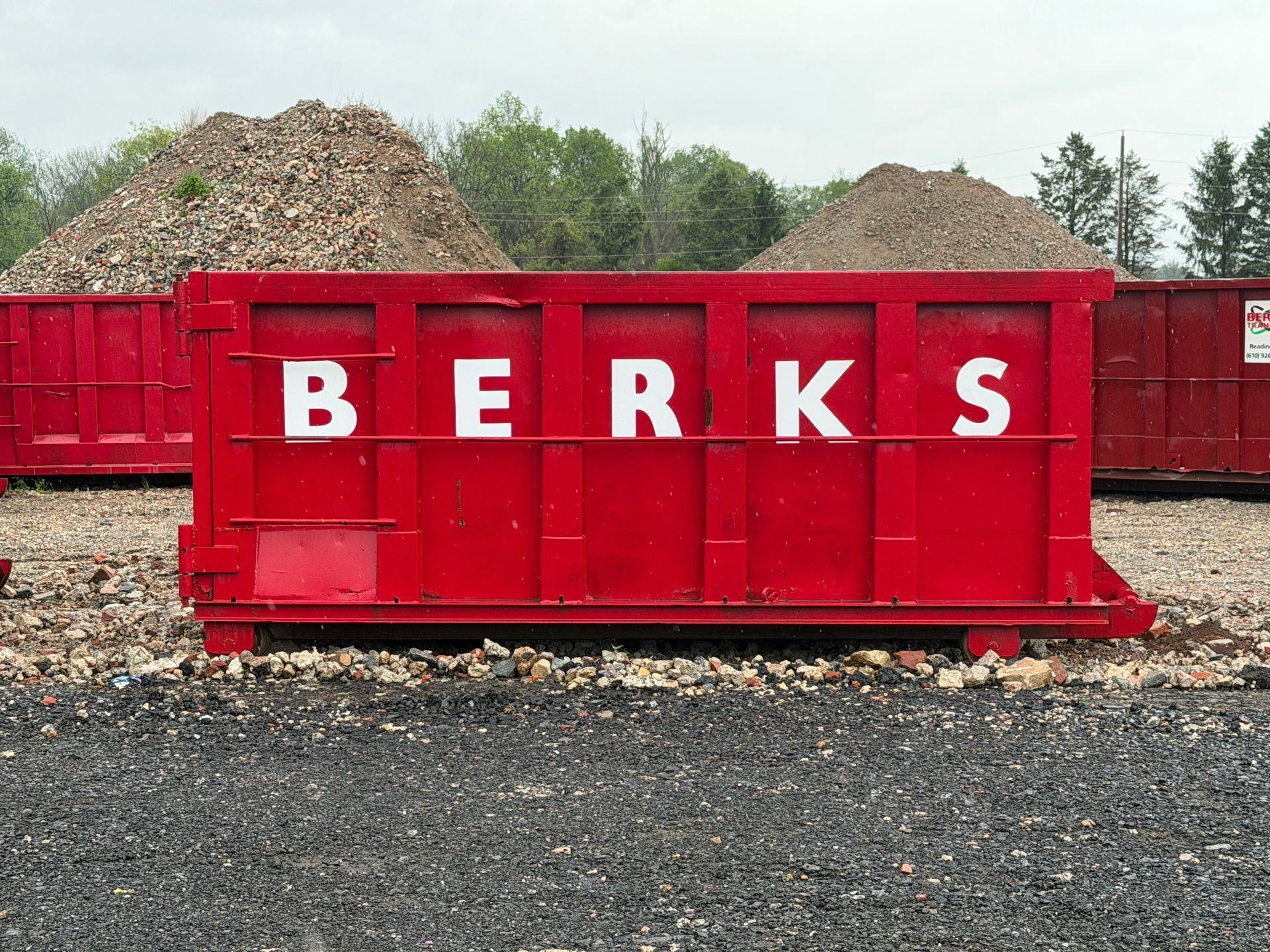
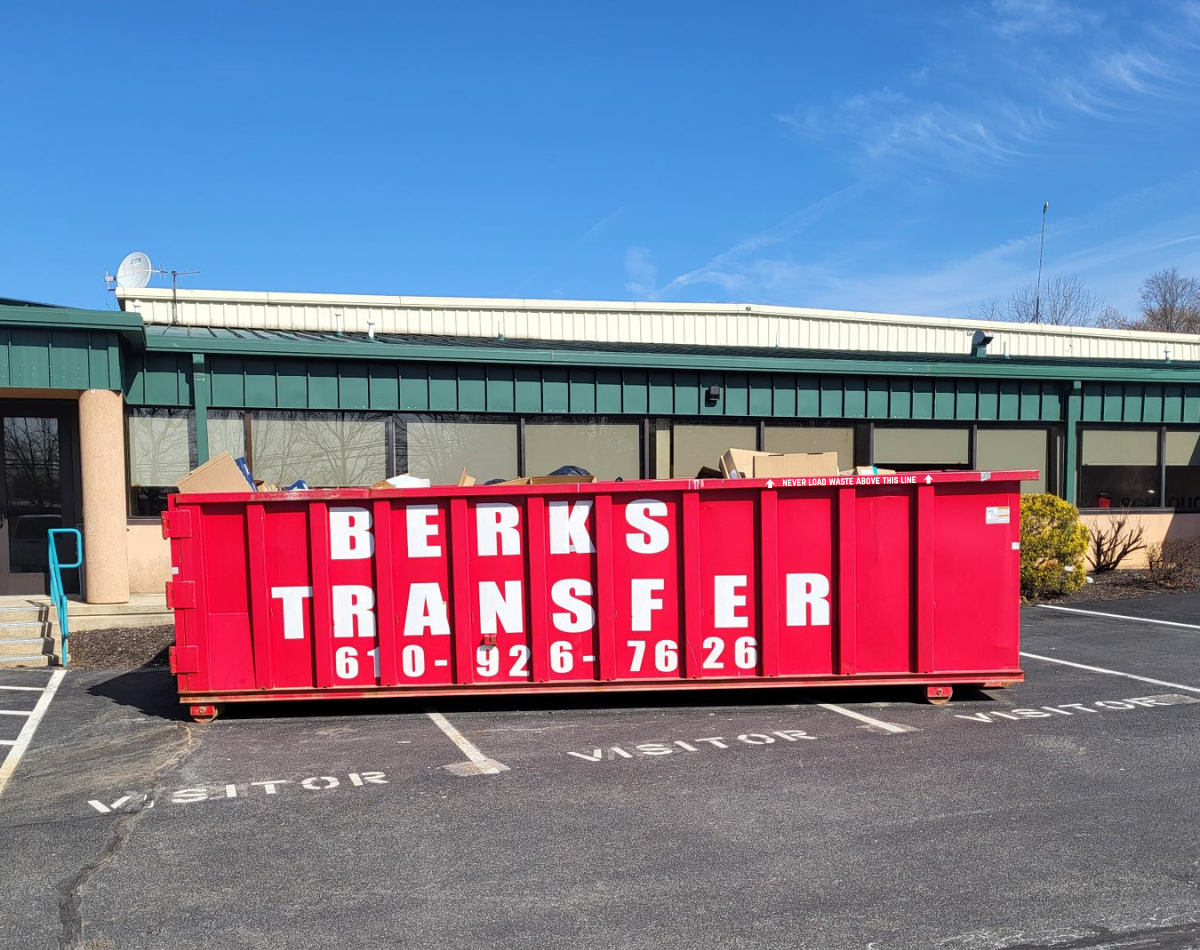
Berks Transfer has been serving the Reading area since 2002 and provides waste disposal and transfer services to customers in Berks County and surrounding areas of Eastern Pennsylvania. You’ll also find affordable dumpsters to rent there.
For local contractors, businesses, and residents, having a nearby waste-disposal option can make cleanup and construction projects easier to manage.
5. You Can Bring Anything to a Transfer Station
This is one of the biggest misconceptions.
Transfer stations have specific rules about what they can accept.
Berks Transfer accepts a variety of non-hazardous waste. Materials that are flammable, corrosive, explosive, toxic, or otherwise hazardous require specialized disposal solutions.
If you're unsure about an item, check with the facility before bringing it.
Knowing what is accepted ahead of time can prevent delays and help ensure your waste is handled properly.
6. Using a Transfer Station Is Complicated
For first-time customers, a transfer station may sound intimidating.
The basic process is straightforward.
Bring your eligible waste to the facility, follow the posted directions and instructions, and unload your materials in the designated area. At Berks Transfer, a staff member is always ready to provide help.
Berks Transfer is located at 59 Willow Creek Road in Reading, Pennsylvania, making it a convenient option for customers throughout Berks County and surrounding communities.
7. Transfer Stations Are Only Useful for Large Projects
Not at all.
A transfer station is utilized for many different types of cleanup and disposal projects:
· A homeowner may need somewhere to take waste after cleaning out a basement or garage.
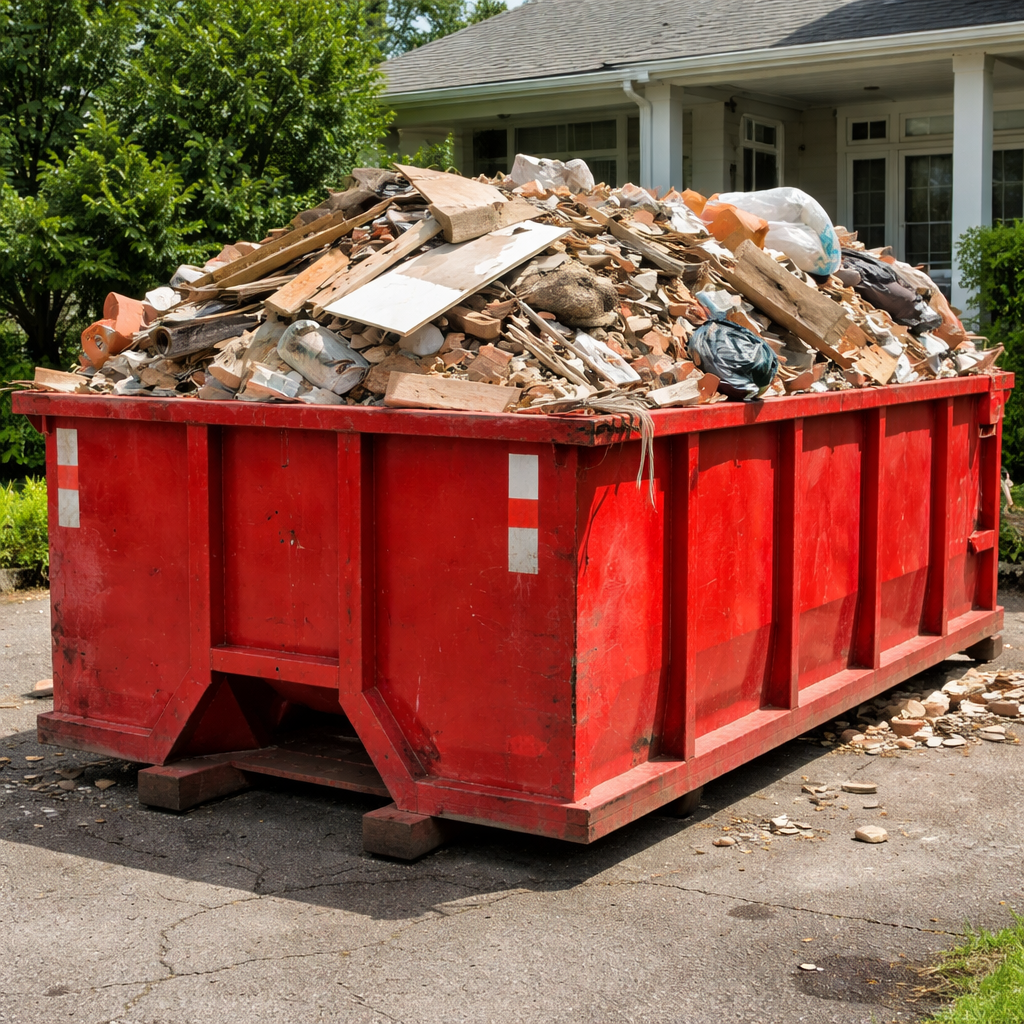
· A contractor may need to dispose of construction debris from a renovation.
· A business may need to remove accumulated waste during a property cleanup.
· A municipality or waste hauler may need a reliable location for managing larger waste volumes.
That's why transfer stations play an important role across the waste-management network.
The Bottom Line
Waste transfer stations are often misunderstood. They're not simply places where garbage gets dumped. They are an important link between waste collection, transportation, disposal, and, when applicable, material recovery.
For residents, contractors, businesses, and haulers looking for waste disposal in Reading, PA, and Berks County, choosing a local facility can make the process more convenient and efficient.
Berks Transfer provides waste disposal, transfer services, DIY disposal, and dumpster rental services for a variety of non-hazardous waste needs.