In our line of work, we see a lot of trash. But sometimes, it’s more than junk—it’s a cry for help hidden beneath years of accumulation.
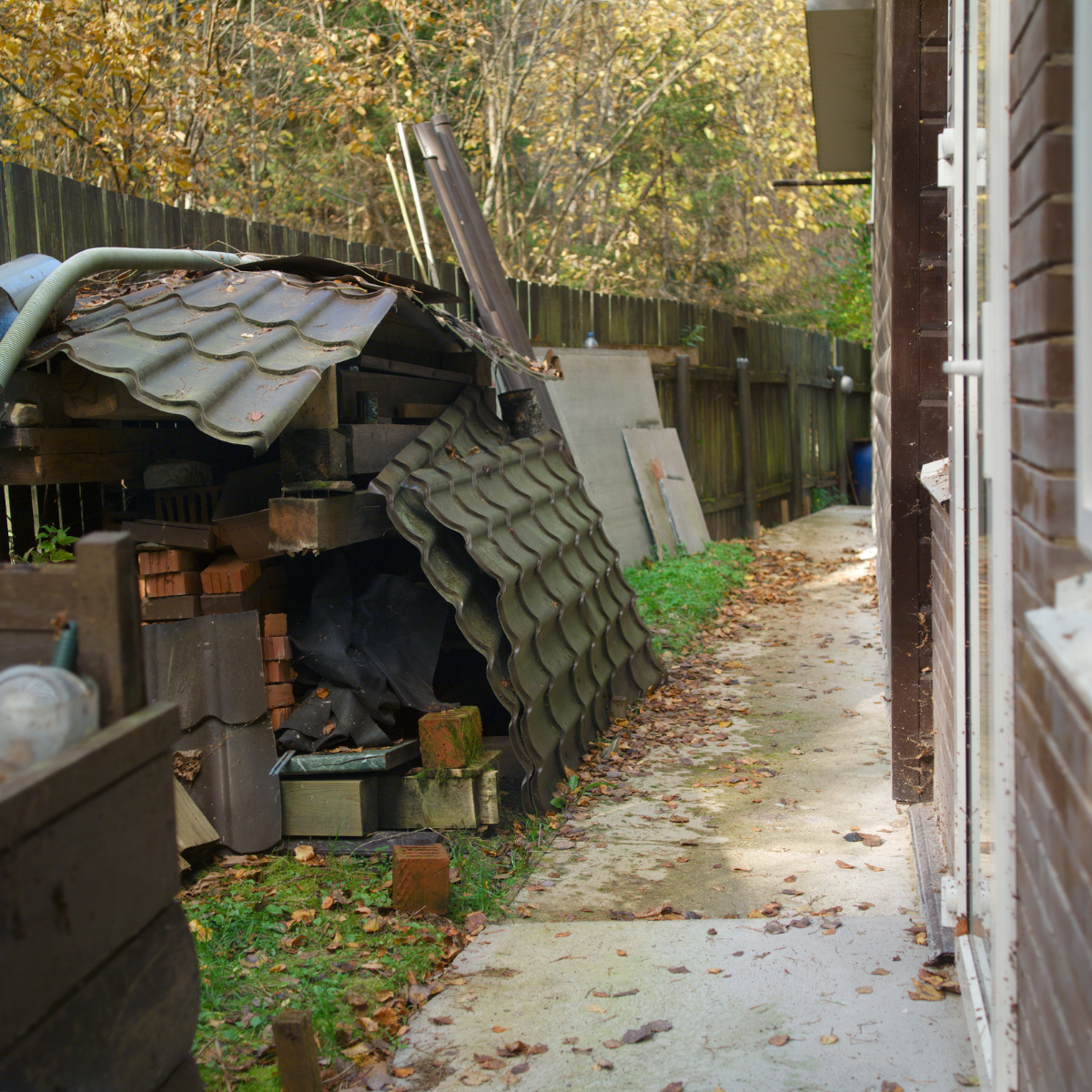
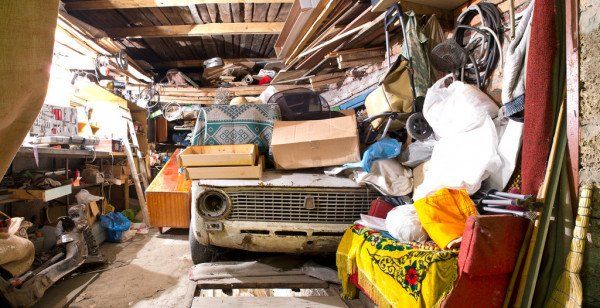
Hoarding situations are far more common than most people realize. In fact, nearly 5% of the population struggles with hoarding behaviors. Many hold steady jobs and maintain active social lives. From the outside, everything looks normal. Inside their homes, however, space becomes unlivable—rooms overflow, hallways disappear, and basic daily activities become difficult or even dangerous.
Clean Hoard vs. Dirty Hoard: Understanding the Difference
Not all hoards look the same.
- “Clean hoards” often involve collections—items stacked wall to wall, leaving little room to move.
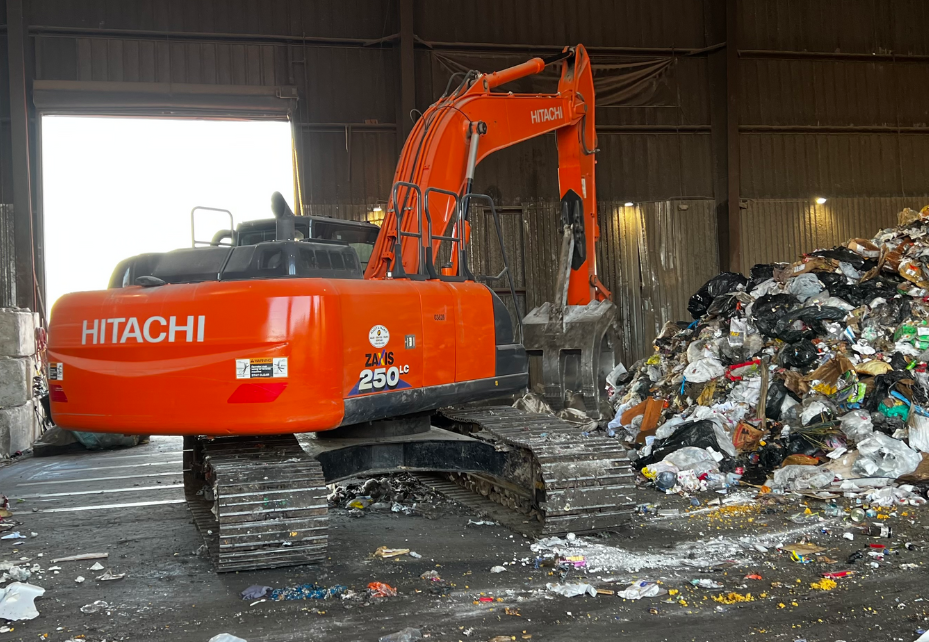
- “Dirty hoards” may include food waste, animal accumulation, rodents, or unsanitary living conditions.
In both cases, the environment can pose serious health and safety risks. Fire hazards, mold growth, pest infestations, and structural strain are just a few of the hidden dangers.
The good news? While the task may seem overwhelming, it is absolutely doable—with the right support.
A Practical Approach to an Emotional Process
Hoarding clean-outs are rarely just about removing items. They often involve family members, close friends, social workers, contractors, or new property owners stepping in to help.
Our role is simple but essential: we make the logistics easier.
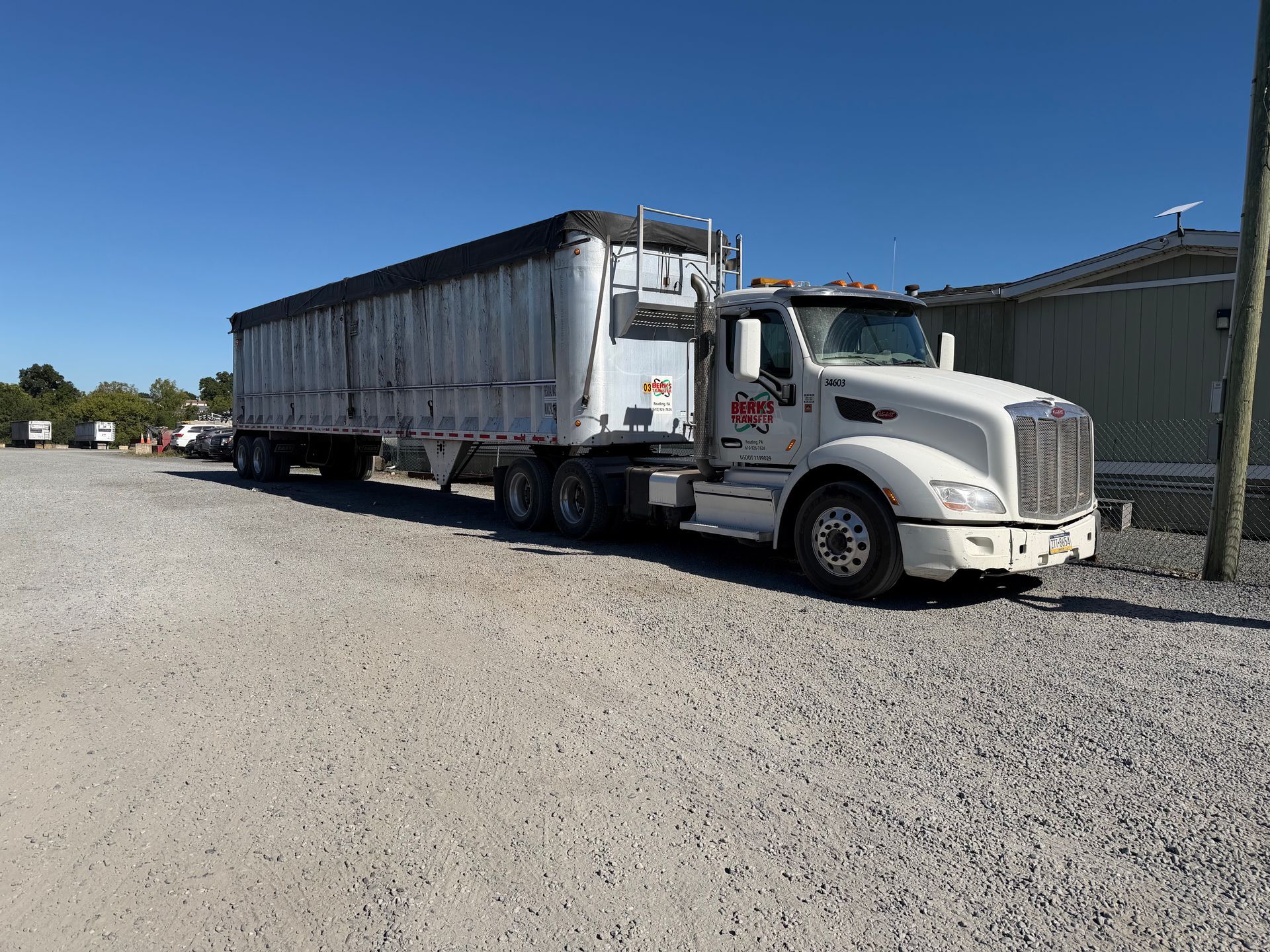
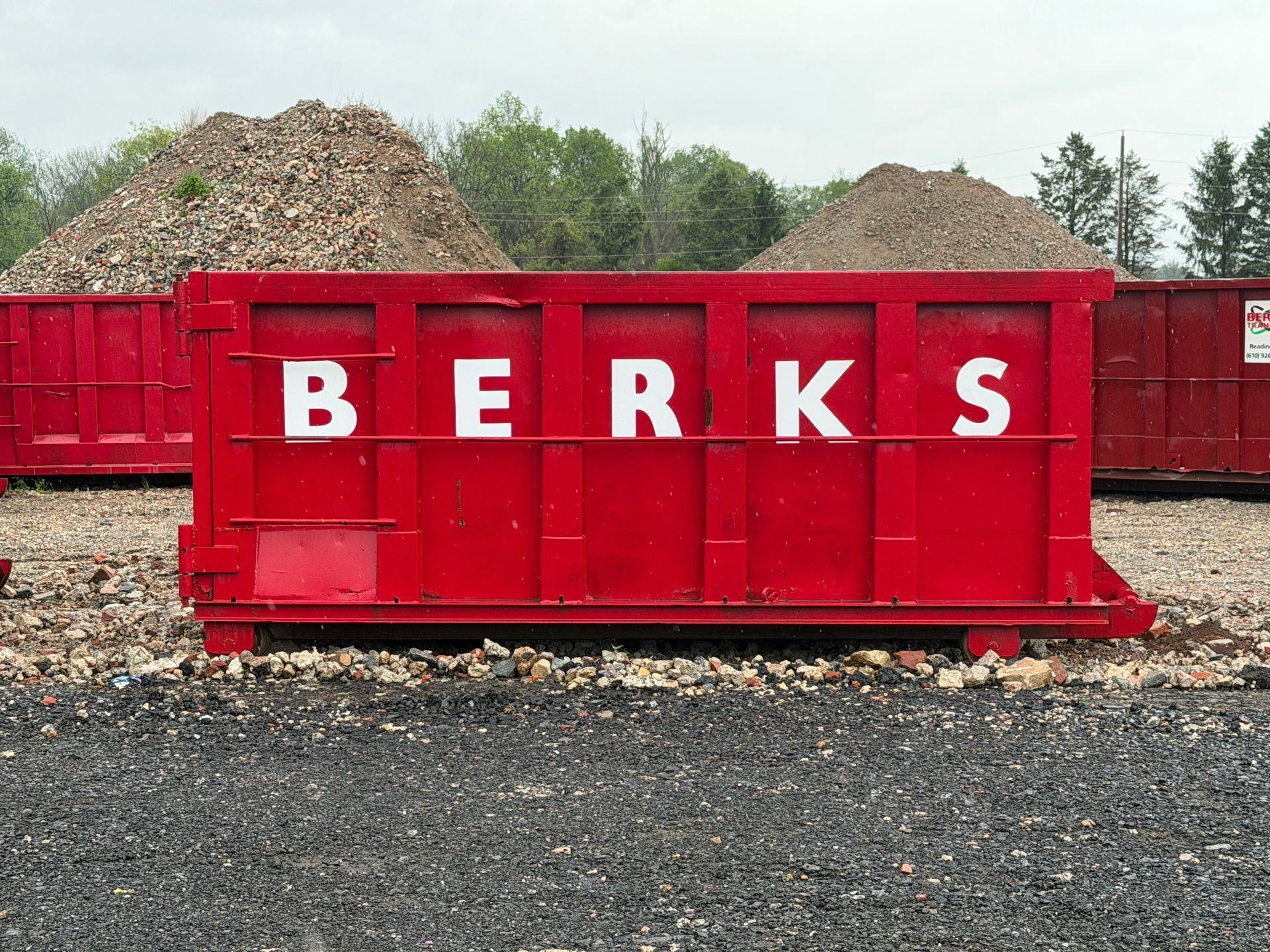
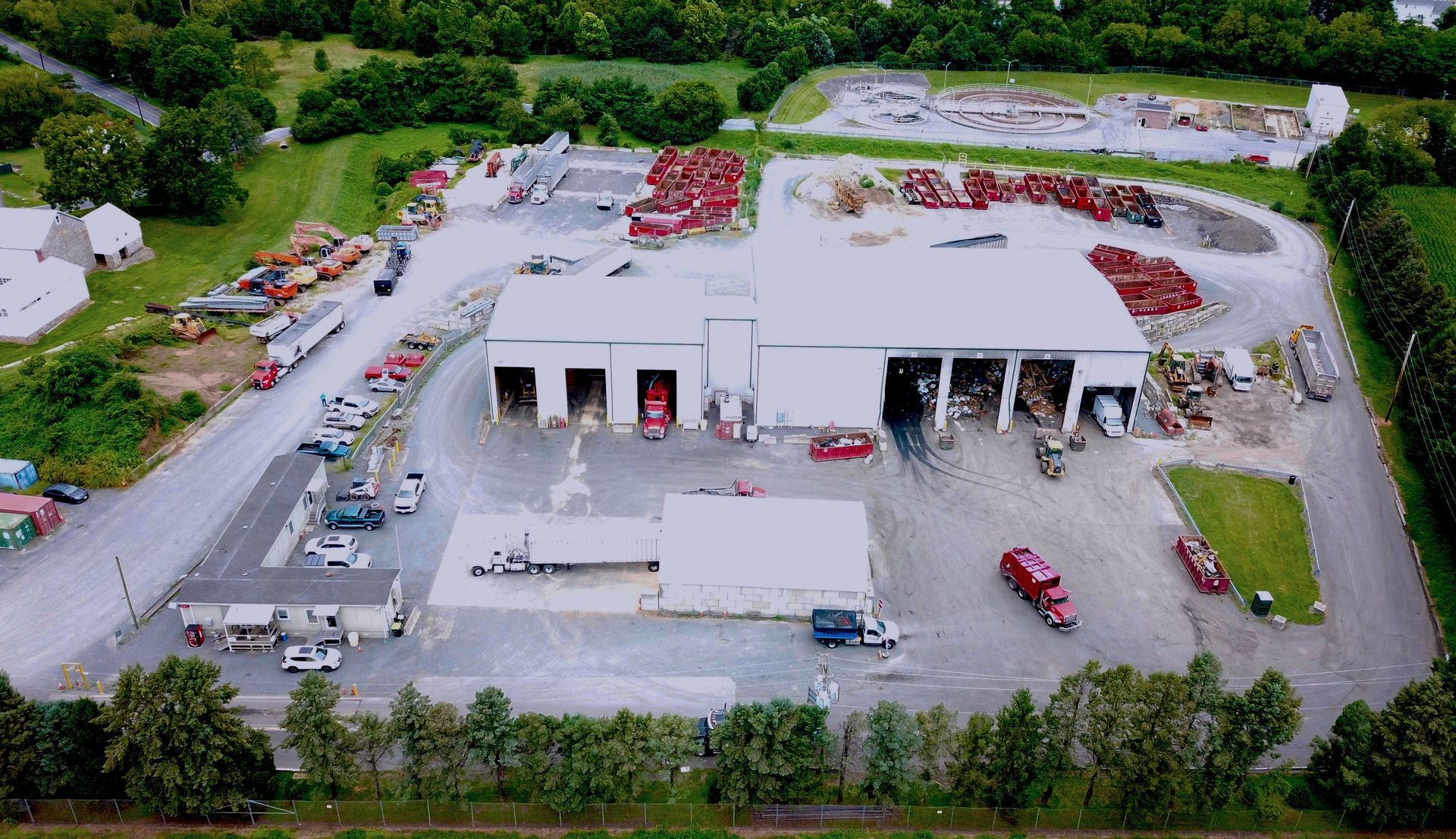
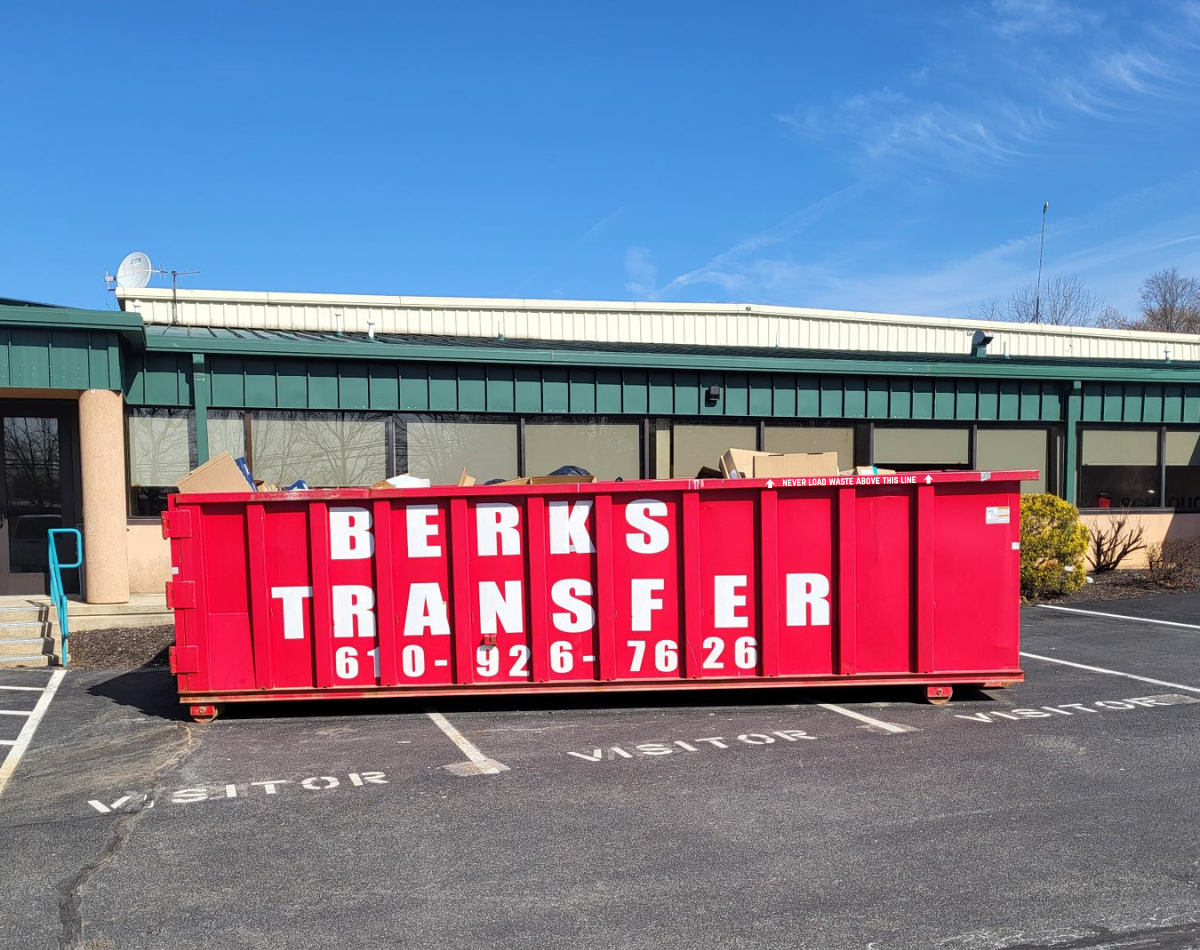
At Berks Transfer, we can stage dumpsters on-site—either all at once or through “round-tripping” loads as the clean-out progresses. This flexibility allows the process to move at a manageable pace, giving everyone involved the space and time they need to work thoughtfully and safely.
And because we’ve built strong relationships with contractors and clean-out professionals, we can help connect customers with trusted referrals and estimates when needed.
Why Compassion Matters
One of the biggest mistakes people make is trying to “fix” the problem by simply throwing things away without consent. That approach can create deep rifts in relationships and make recovery even harder.
Hoarding is often tied to depression, anxiety, trauma, or social isolation—factors that were intensified during the COVID-19 pandemic. Sometimes, we speak with families who have lost a loved one and are left facing a home filled with years of belongings and memories.
In these moments, the focus shouldn’t just be on clearing space—it should be on healing.
If someone you know needs professional support, contacting Berks County Mental Health Services can be a meaningful first step. Even small victories—like cleaning out a garage or tackling one room—can restore a sense of accomplishment and comfort.
You Probably Know Someone Who’s Struggling
Here’s something many people don’t realize: you likely know a hoarder. You just don’t know you know one.
That’s why awareness and empathy are so important. Behind closed doors, people may be living in unsafe conditions while feeling too ashamed to ask for help. We believe no one should face that alone.
We’re Here to Help
Whether you’re supporting a family member, managing a foreclosure, or facing the clean-out of a loved one’s home, we’re ready to be a resource. Our goal is to make the physical process easier—so you can focus on what truly matters. Call us today at 610-926-7626 X305.

National Fire Prevention Month: Protecting Our Workplaces, Communities, and Waste Management Systems